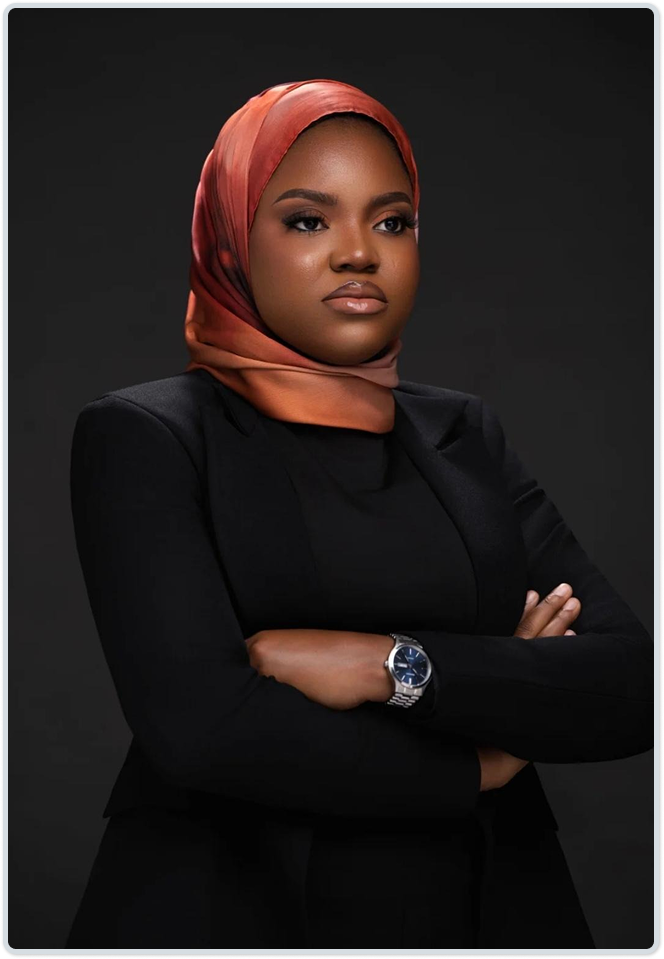

My relationship with art began long before I considered becoming an artist professionally. From childhood in Lagos to my practice today, art has remained a space through which I make sense of memory, place, culture and belonging.
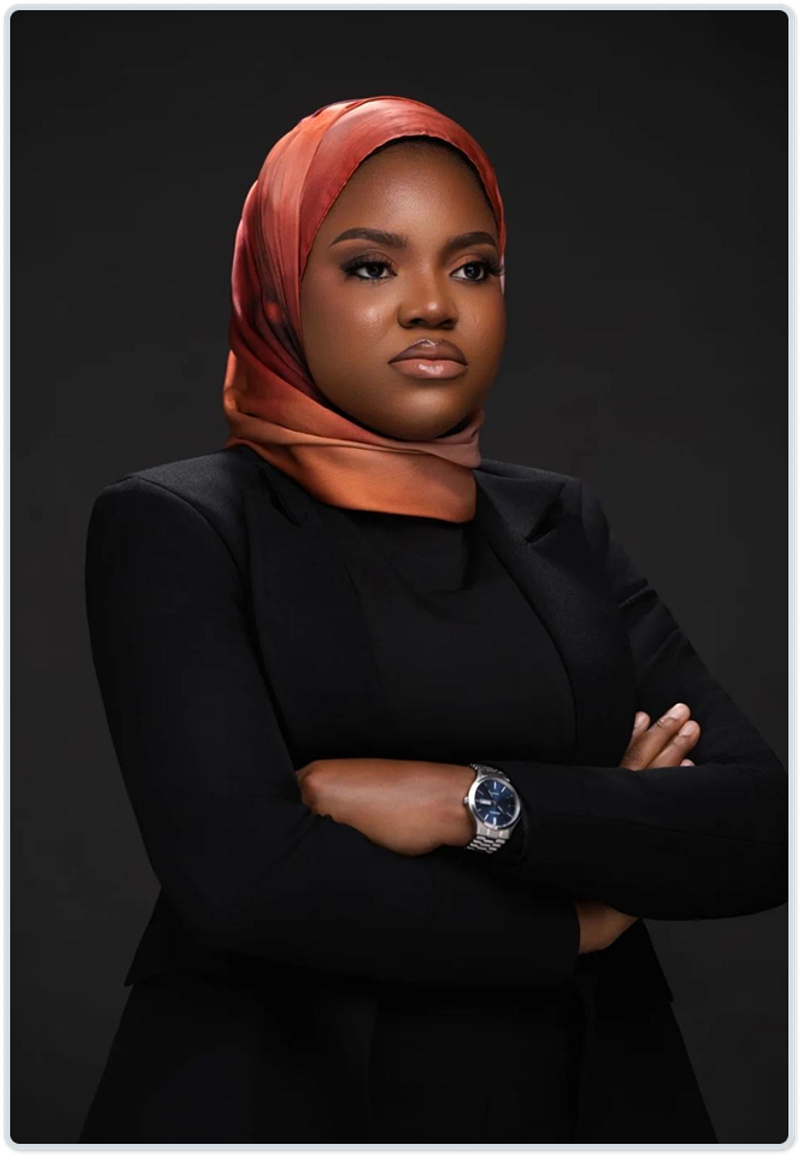
What I'm made of
Place and Memory
Lateefat Tobun is a Nigerian multidisciplinary artist based in the United Kingdom whose practice explores home, memory, belonging and cultural inheritance. Shaped by experiences of place, movement and cultural transition, her work considers what we carry with us as circumstances, environments and identities change.
Growing up in Lagos, Nigeria, Tobun developed a strong relationship with the natural environment, particularly the sea. She was drawn to the way water could hold movement and stillness at once. Over time, the sea came to represent freedom, possibility, resilience and continuity. These ideas continue to inform the emotional language of her work.
Although she rarely depicts the sea directly in her paintings, she continues to photograph water, skies, clouds, sunrises, sunsets and changing light. These observations form part of a personal visual archive alongside journals, memories, conversations and everyday encounters.
Her relationship with materials has developed through sustained experimentation with colour, painting and African textiles. Working with fabrics such as Adire, and later with Ankara inspired pattern, led her to consider textile beyond decoration. It became a visual language through which memory, identity and cultural inheritance could be carried, layered and reinterpreted.
From Movement to Home
Moving from Nigeria to the United Kingdom brought new questions into Tobun's practice.
Through her own experience of cultural transition and conversations with others navigating change, she became increasingly interested in what happens after movement. She began thinking about the ambitions people carry with them, the identities they renegotiate, the memories they preserve and the ways belonging is reconstructed when circumstances change.
Migration therefore became a lens through which she could explore wider questions rather than the destination of her practice.
At the centre is home.
For Tobun, home is not defined solely by geography. It can exist in relationships, community, memory, culture, safety or the freedom to exist authentically. Her work considers how a sense of home can be carried, transformed and reconstructed across places, relationships and changing versions of ourselves.
From this central enquiry emerge the interconnected themes of memory, belonging and cultural inheritance.
A Reflective Practice
Tobun's creative process begins with reflection rather than certainty.
Before making the first mark on a prepared canvas, she spends time looking, thinking and searching for an entry point. She may write, listen to music, revisit an image or memory, or simply sit with a question. Journals, personal memories, conversations and observations of the natural world become part of an evolving archive from which the work develops.
She does not approach an artwork with a predetermined conclusion. Colour responds to the narrative and emotional atmosphere of each work, while textile and pattern introduce layers, associations and possibilities for interpretation. Rather than prescribing what an audience should feel, Tobun creates space for viewers to bring their own memories and experiences into an encounter with the work.
Unexpected marks are rarely erased simply because they were unintended. What may initially appear to be a mistake can become part of the history of the work. This reflects a wider idea within her practice. Previous experiences do not disappear when circumstances change. They accumulate, reshape us and become part of who we are.
Material, Culture and Visual Language
Painting remains central to Tobun's practice, while textile, African print and pattern, and selected digital processes extend her visual language.
These elements may appear materially or visually depending on the needs of a particular work. African textile languages, in particular, allow her to explore cultural inheritance, layering and connection without treating pattern as merely decorative.
The medium may change, but the enquiry remains connected. What do we carry with us when everything else changes?
For Tobun, working across forms is not simply about using multiple media. The idea determines the material, process and form each work requires.
Beyond the Studio
Alongside her studio practice, Tobun extends these enquiries through exhibitions, public art and participatory creative projects.
Her public practice grows from the same questions that shape her individual work. Participatory projects create opportunities for people to make, experiment, reflect and connect, while public art allows these enquiries to enter shared spaces.
Through exhibitions in the United Kingdom and internationally, alongside mural and participatory projects, Tobun continues to explore the relationship between individual reflection and collective experience. She is interested in how visual art can create spaces for recognition, cultural dialogue and connection without prescribing a single interpretation or experience.
Looking Forward
Tobun continues to develop new bodies of work centred on home, memory, belonging and cultural inheritance while expanding her exhibition, public and collaborative practice in the United Kingdom and internationally.
Her interdisciplinary background gives her additional tools for experimentation, including experience with textiles and selected digital processes. Emerging technologies may enter the work when they serve the artistic enquiry, but they do not define its subject.
Her practice ultimately returns to a simple but evolving question. What do we carry with us when everything else changes?
Memory, culture, relationships and different understandings of home move through the work as things that can be inherited, preserved, questioned and transformed. Through both studio and shared creative practice, Tobun creates space for personal experience to encounter something collective.
Home is not always a place. Sometimes it is what we carry with us.
Four ways I make


A defining turn
Exhibitions in the United Kingdom, Brazil and Nigeria marked a growing international trajectory and a deepening multidisciplinary practice.
The practice expanded through participatory projects, workshops and public art in the United Kingdom.
Moving between Nigeria and the United Kingdom brought questions of home, memory and belonging into sharper focus.
First solo exhibition in Abuja, marking an important step in the development of my professional artistic practice.
A period of sustained visual-art practice, deepening an interest in painting, textile, pattern and cultural memory.
Developing an early practice through art, craft, colour and material exploration in Lagos.